tie dye resist technique
Chemical Chemical resist dyeing is a modern textile printing method commonly achieved using two different classes of fiber reactive dyes one of which must be of the vinyl sulfone type. A model walks the runway at the Tom Ford show in February 2020.
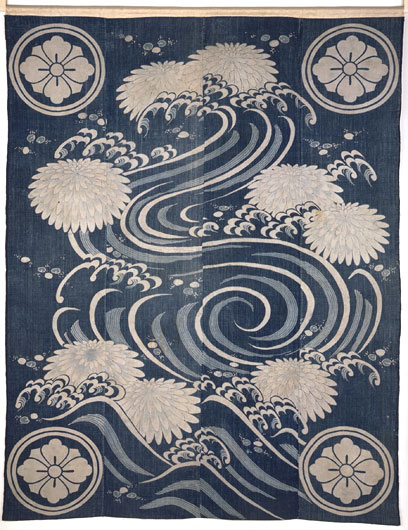
Resist Dyed Textiles Victoria And Albert Museum
Free UK delivery on eligible orders.

. Lay fabric out on the table and if using a flat drying. Other resist-dyeing techniques that involve tying include Indonesian ikat in which the resist in this case a tight wrapping is applied to individual yarns and African gara and adire cloths along with others which involve binding together bundles of fabric before dyeing them. Httpbitly19AxXcwUse clear Gel Tacky Glue for a fun.
EMBROIDERY It is the handcraft of decorating the surface using a needle and yarnThe process used to tailor patch mend and reinforce. TIE-DYE Tie-Dye is an ancient resist dyeing technique. Its fast inexpensive and there are no limits to what you can write or draw on fabric.
The tighter the knot will be the more it will resist the dye. Artisans who used tie-dye techniques could create intricate complex designs through careful tying and dyeing of the fabric. Rinse remove thread.
Cultures around the world have developed an array of resist dye techniques. Mechanical resist dyeing ties stitched or clamps the cloth using clothespegs or wooden blocks to shield areas of the fabric from the dye. Sprinkle on salt Sprinkle on Salt Resist.
This video shows 3 ways to tie the fabric with rubber bands to get different patterns. Place the shirt in the hot bath and agitate it. Tie-dye is a technique that has become familiar to many Americans because of brightly colored.
Resist-dyed textiles Resist-dyeing is a widely used method of applying colours or patterns to fabric. Prewash fabric to remove sizing do not dry you want to keep your fabric damp for tie dyeing. The process of tie-dye typically consists of folding twisting pleating or crumpling fabric or a garment before binding with string or rubber bands followed by the application of dye or dyes.
A WORLD OF RESIST DYE TECHNIQUES April 6 2012 - June 9 2013. Stitch the fabric For best results use a fabric made from natural fibers like cotton and pre-wash the fabric. Tie-dyeing involves pinching areas of cloth and tying them tightly with thread before dyeing.
Apr 20 2021 - Explore Madisons board Dye Resist Techniques on Pinterest. Tie and dye is a self explanatory term you just tie and then dye fabric. This glue resist dye technique is amazing the results come out so cool.
Shibori Pole Dyeing Technique. See more ideas about how to dye fabric shibori dye shibori tie dye. The manipulations of the fabric before the application of dye are.
A common method is to use a cooking pot of water that you bring to a boil. Let it dry and then apply your dye as usual according to the package directions. Let set 4-6 hours.
On tightly stretched fabric paint several colors adjacent to each other and overlapping to make nice blends of colors then immediately while it is still wet sprinkle on whichever size of salt crystal to experiment with. There are various types of tie and dyeing technique in Shibori. Cover your table with a a cut open Hefty Ultra Strong Drawstring Trash Bag and top with layers of paper towels.
Ad Great discounts and savings on top home brands. In this technique we bind certain section of a cloth by inserting a bead inside it and then tying the cloth around it. It is the most popular technique of shibori.
This is the perfect St. Take a dry prewashed shirt and draw designs using white glue gel. The areas that are tied.
It is a resist dyeing method in which the areas you do not want dyed are blocked using different methods of tying and then the fabric is dyed. March 1 2016 Using Elmers Blue Gel glue as a dye resist is a favorite dyeing technique. Large Kitchen Home selection online.
A substance that is impervious to the dye blocks its access to certain areas of the fabric while other parts are free to take up the dye colour. The use of. Continue heating it up and agitating it until most of the wax is removed.
Dye the fabric These dyeing instructions are for Rit dye but other types of dyes can also be used for this. Tie-dye is a resist dyeing technique that involves tying or binding up sections of fabric or finished garments before dyeing to create unique designs and patterns. Do not completely cover the fabric but instead leave small or large spaces between the grains of salt.
Shibori Tie-Dye with Stitch Resist Fabric Dyeing Technique For the Shibori stitch resist technique use thread to stitch any design or pattern you can think of onto the fabric from simple lines to complex patterns. Brush off Salt Resist. Free UK delivery on eligible orders.
Patricks Day t-shirt to dye and wear for the holiday. The wax should start melting. A 3 minute and 59 second video featuring Kris from iLoveToCreate demonstrating a tie dying tutorial on how to use Tulip Tie Dye Resist for your next tie dye.
Let it set flat or even better hung on a. The process of Tie-Dye typically consist of folding tucking pleating or clamping followed by application of Dye forming a pattern on the resisted area. Wash inside out in warm water to remove Salt Resist.
Do not use fabric. Ad Great discounts and savings on top home brands. Large Kitchen Home selection online.
Tie-dye is a term used to describe a number of resist dyeing techniques and the resulting dyed products of these processes.

How To Flour Resist With Dye Lynda Heines Fabric Design

Resist Dyeing Lovetoknow

Resist Dyeing Wikipedia
Salt Resist Tie Dye Technique Favecrafts Com

Tie Dye Technique Glue Resist Altered T Shirt Youtube
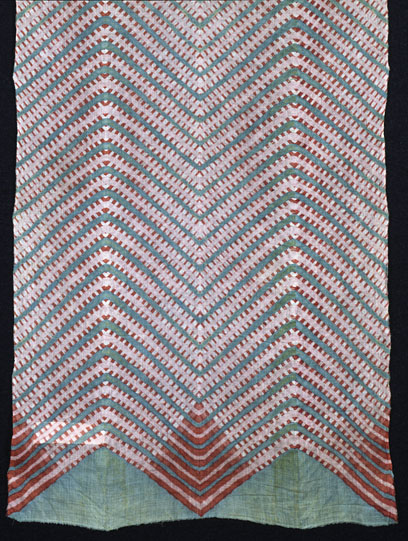
Resist Dyed Textiles Victoria And Albert Museum
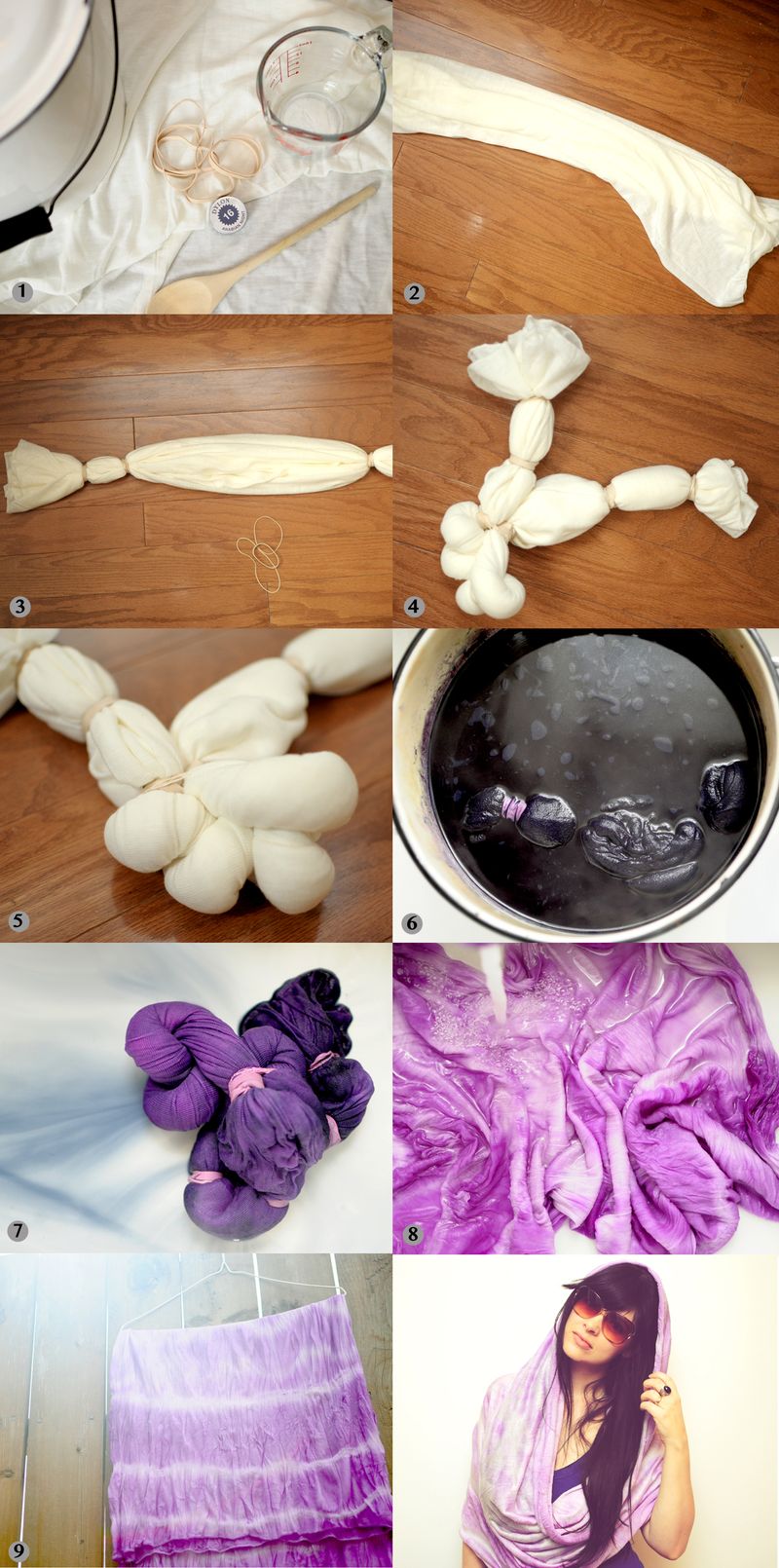
Resist Dye Basics A Beautiful Mess

Tulip Tie Dye Resist Technique Youtube
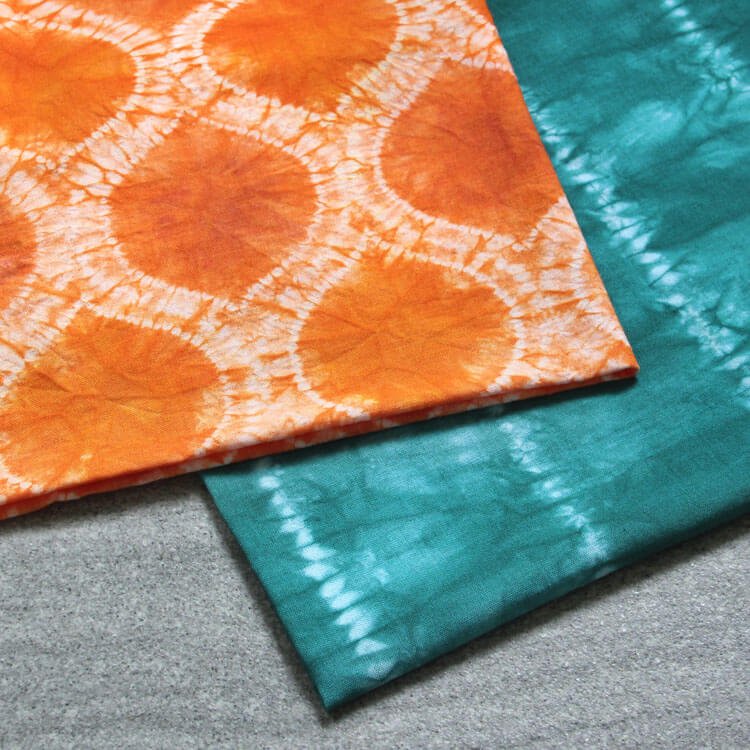
How To Dye Fabric Shibori Tie Dye With Stitch Resist Ofs Maker S Mill